Commercial Cleaning in Modern Business Environments
Commercial cleaning plays a crucial role in how businesses present themselves, protect their teams, and maintain efficient day-to-day operations. Whether it is an office, retail store, medical facility, school, warehouse, or hospitality venue, professional commercial cleaning helps create a space that feels safe, organized, and welcoming. In today’s competitive market, commercial cleaning is more than a visual improvement—it is a practical investment in productivity, hygiene, and brand reputation.
Businesses of every size benefit from reliable cleaning solutions tailored to their environment. From daily janitorial services to specialized floor care and disinfecting routines, commercial cleaning supports better workplace standards and can help reduce the spread of dust, allergens, and harmful germs. For many organizations, the right cleaning plan becomes an essential part of operational success.
As customer expectations and health awareness continue to rise, more companies are prioritizing professional cleaning services. A clean business environment sends a strong message: the organization values detail, safety, and professionalism. That message matters to employees, clients, visitors, and partners alike.
Why Commercial Cleaning Matters for Every Business
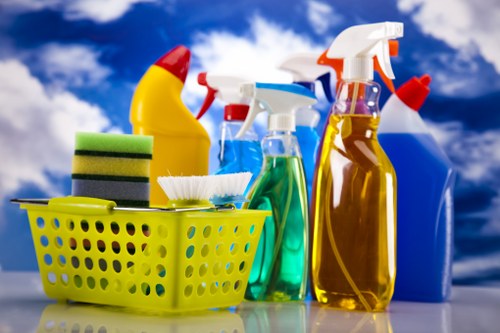
Commercial cleaning affects more than appearance. It influences workplace morale, customer confidence, equipment longevity, and sanitation standards. Businesses that invest in consistent cleaning often notice fewer complaints, better organization, and a more productive atmosphere overall.
First impressions are powerful. When a client walks into a spotless lobby or a customer enters a clean retail space, they immediately associate that environment with professionalism. On the other hand, dusty surfaces, stained carpets, or unpleasant odors can quickly damage trust. That is why commercial cleaning remains an important part of brand management.
There are also practical health benefits. High-traffic workplaces can collect bacteria, allergens, and debris at a rapid pace. Regular commercial cleaning helps control contamination in shared areas such as restrooms, break rooms, conference rooms, and reception spaces. Clean environments support healthier teams and smoother operations.
Types of Commercial Cleaning Services

Commercial cleaning is not a one-size-fits-all service. Different buildings require different cleaning methods, supplies, and schedules. Understanding the available service types makes it easier to choose the right support for your facility.
Some businesses need daily upkeep, while others only require weekly deep cleaning or seasonal maintenance. In many cases, the best solution is a customized plan built around the number of occupants, foot traffic, industry standards, and specific hygiene concerns.
Below are some of the most common commercial cleaning services businesses rely on:
- Office cleaning for desks, common areas, restrooms, and meeting rooms
- Janitorial services for routine maintenance and trash removal
- Floor care including vacuuming, mopping, stripping, waxing, and polishing
- Carpet cleaning to remove embedded dirt and stains
- Window cleaning for indoor and exterior glass surfaces
- Disinfection services for high-touch points and shared environments
- Specialized sanitation for healthcare, food service, and industrial spaces
Choosing the right mix of services helps businesses keep their spaces consistently clean without wasting time or resources.
Commercial Cleaning for Offices and Workspaces

Office environments require a balanced approach to cleanliness. Surfaces are frequently touched, shared equipment is used throughout the day, and employees spend long hours in close proximity. Commercial cleaning for offices focuses on keeping these spaces tidy, hygienic, and comfortable.
Routine office cleaning often includes dusting furniture, sanitizing desks, cleaning break rooms, emptying bins, and disinfecting doors, switches, and communal surfaces. This level of care helps reduce clutter and creates a more focused, professional environment. A clean office can support better concentration and employee satisfaction.
Many businesses also schedule deeper cleaning sessions for carpets, upholstery, and hard-to-reach areas. These extra services help maintain a polished environment and can extend the life of office furnishings. When commercial cleaning is handled regularly, the workspace remains welcoming for both staff and visitors.
Some organizations also request environmentally responsible cleaning solutions. Green commercial cleaning uses low-toxicity products and sustainable methods that reduce environmental impact while still delivering strong results. This approach appeals to businesses that want to support health and sustainability at the same time.
How Commercial Cleaning Supports Health and Safety
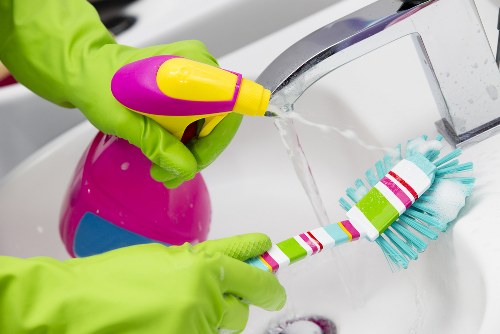
Health and safety are among the biggest reasons businesses invest in commercial cleaning. Busy facilities can quickly become breeding grounds for bacteria and dust if they are not maintained properly. Regular cleaning helps reduce the risk of illness and creates a safer environment for everyone who enters the building.
High-touch surfaces such as elevator buttons, shared desks, handrails, and door handles require special attention. These areas can spread germs easily if left uncleaned. Professional commercial cleaning teams use targeted procedures to address these risks and maintain higher sanitation levels.
For certain industries, cleanliness is not optional. Medical offices, restaurants, schools, manufacturing sites, and childcare centers must follow strict hygiene expectations. In these settings, commercial cleaning helps support compliance with industry regulations and internal safety standards. Consistent sanitation can reduce downtime caused by avoidable cleaning-related issues.
Common Health-Focused Cleaning Priorities
Businesses often focus on the following areas to improve workplace sanitation:
- Disinfecting shared touchpoints and frequently used equipment
- Maintaining restrooms with proper soap, paper, and waste management
- Reducing dust, allergens, and debris in ventilation-sensitive spaces
- Cleaning spills quickly to reduce slip hazards
- Keeping food and break areas sanitary to prevent contamination
Choosing the Right Commercial Cleaning Plan

Every business has unique cleaning needs, which means the best commercial cleaning plan should be tailored rather than generic. A small office may need light maintenance each evening, while a large warehouse may require industrial cleaning equipment and scheduled deep cleans. The right plan depends on the size of the facility, the number of employees, the nature of the work, and the level of public traffic.
When evaluating commercial cleaning options, business owners often consider service frequency, scope of work, and consistency. It is important to decide whether the property needs daily, nightly, weekly, or monthly cleaning support. Some facilities also benefit from periodic seasonal tasks like carpet shampooing, window washing, or pressure washing of exterior surfaces.
Another factor is flexibility. A dependable commercial cleaning provider should be able to adjust to special events, emergency spills, or increased traffic during peak business seasons. Flexible service helps businesses stay prepared without compromising cleanliness.
Questions to Ask Before Setting Up a Cleaning Schedule
- Which areas require daily attention?
- Are there high-traffic zones that need deeper sanitation?
- Do any surfaces require specialized products or techniques?
- How often should carpets, floors, and glass be maintained?
- What cleaning tasks can be handled after business hours?
Industries That Depend on Commercial Cleaning
Commercial cleaning services support a wide variety of industries, each with distinct requirements. Some workplaces need a light, polished presentation, while others demand advanced sanitation protocols and strict compliance practices. The versatility of commercial cleaning makes it valuable across many business sectors.
Office buildings, retail stores, and hospitality venues typically focus on presentation, guest comfort, and daily upkeep. Educational institutions need safe, clean environments for students and staff. Healthcare settings require enhanced sanitation procedures to maintain hygiene and reduce risk. Industrial and manufacturing facilities often need specialized cleaning of machinery-adjacent areas, floors, and storage zones.
Commercial cleaning adapts to the environment it serves. That adaptability is one reason it remains such an important service for modern organizations.
Examples of Industry-Specific Needs
- Retail: polished floors, clean fitting rooms, dust-free displays
- Healthcare: disinfecting, sanitation, and strict hygiene practices
- Education: classroom cleaning, restroom maintenance, and desk sanitizing
- Hospitality: guest-ready common areas, lobbies, and dining spaces
- Industrial: debris removal, floor maintenance, and safety-focused cleaning
Each industry benefits from a plan that reflects both its image and its operational demands.
What to Look for in a Commercial Cleaning Provider
Selecting the right commercial cleaning provider can make a major difference in results. The best companies combine skill, reliability, communication, and attention to detail. They understand that a cleaning service is not just about appearance—it is about protecting a business’s daily rhythm and reputation.
Experience matters, especially when cleaning needs vary from one property to another. A trustworthy provider should know how to clean different surfaces safely, manage specialized equipment, and follow proper procedures for sanitation and waste disposal. They should also be consistent, arriving on time and completing tasks thoroughly.
It is also helpful to choose a provider that offers customizable plans. A business may need a mix of recurring maintenance and occasional deep cleaning. The ability to adjust services over time helps ensure lasting value.
Qualities of a Strong Cleaning Partner
- Clear service scope and scheduling
- Experience with your type of facility
- Reliable quality control processes
- Safe product and equipment use
- Responsive communication and professionalism
Commercial Cleaning and Workplace Productivity
There is a strong connection between cleanliness and productivity. Cluttered, dusty, or disorganized spaces can distract employees and make daily tasks more frustrating. Commercial cleaning helps eliminate these barriers so teams can work in a calmer, more efficient environment.
Employees often feel more valued when their workplace is properly maintained. Clean restrooms, tidy break rooms, and well-kept common spaces signal that management cares about staff comfort and wellbeing. This can contribute to better morale and stronger engagement.
In client-facing businesses, commercial cleaning also supports smoother operations by creating a professional setting for meetings, appointments, and transactions. Clean environments help businesses function at a higher standard. Whether the goal is improved focus, better workflow, or stronger customer impressions, cleaning plays an important supporting role.
Businesses that view cleaning as part of their operational strategy often see better long-term results than those that treat it as an afterthought.
Specialized Commercial Cleaning Services
In addition to standard janitorial tasks, many facilities require specialized commercial cleaning services. These services address situations that demand advanced tools, specific expertise, or more intensive labor. They can be scheduled regularly or used as needed based on building conditions.
Examples include high-level dusting, post-construction cleanup, deep carpet extraction, floor stripping and waxing, pressure washing, and electrostatic disinfection. Some environments also require biohazard awareness, odor control, or equipment-specific cleaning procedures. Specialized services help businesses maintain a higher standard of cleanliness in difficult or sensitive areas.
Post-construction cleaning is especially valuable for new builds, remodels, and tenant improvements. Dust, drywall residue, and debris can linger long after the work is complete. A detailed commercial cleaning approach ensures the space is ready for use and presentation.
When Specialized Cleaning Is Most Useful
- After renovations or construction projects
- Before opening a new business location
- When floors require restoration or refinishing
- In response to heavy seasonal dust or debris buildup
- For sanitation-sensitive facilities and public areas
Building a Long-Term Commercial Cleaning Strategy
A long-term commercial cleaning strategy helps businesses maintain consistency and avoid last-minute problems. Instead of waiting until a space looks dirty, organizations can establish recurring routines that keep everything in steady condition. This proactive mindset is often more cost-effective and less disruptive than reactive cleaning.
A good strategy includes routine maintenance, periodic deep cleaning, and seasonal assessments. Businesses should review which areas receive the most use, which surfaces wear quickly, and which cleaning tasks need adjustment over time. Commercial cleaning works best when it evolves with the business.
Documenting expectations also helps. When cleaning tasks are clearly defined, it becomes easier to measure quality and ensure nothing is overlooked. This clarity is especially useful for larger properties with multiple floors, departments, or public-facing spaces.
Elements of an Effective Cleaning Strategy
- Regular daily or weekly maintenance
- Scheduled deep cleaning intervals
- Special attention to high-use zones
- Seasonal or event-based services
- Periodic review of cleaning outcomes
The Business Value of Commercial Cleaning
Commercial cleaning delivers value in several ways. It supports a better customer experience, healthier working conditions, stronger facility upkeep, and a more polished brand image. For organizations that rely on public trust, these benefits can have a direct impact on success.
Well-maintained spaces also tend to age better. Floors, carpets, furniture, and fixtures last longer when they are cleaned properly and routinely. That can lead to reduced repair and replacement expenses over time. In this sense, commercial cleaning is both a service and a form of asset protection.
Investing in commercial cleaning is an investment in the business itself. Clean spaces make it easier for teams to perform well and for customers to feel confident about the organization.
Businesses looking to strengthen their image, support workplace health, and maintain a professional environment should make commercial cleaning a consistent priority. Contact us today to improve your cleaning strategy and book your service now.