End of Tenancy Cleaning: A Practical, SEO-Friendly Approach to Leaving a Property Spotless
End of tenancy cleaning is one of the most important tasks tenants face when moving out of a rented property. Whether you are leaving a flat, apartment, shared house, or family home, a thorough end of tenancy cleaning process can help you protect your deposit, reduce disputes, and leave the property in a condition that meets landlord or letting agent expectations. It is not just about making the home look tidy; it is about restoring it to a clean, presentable state that reflects normal wear and tear in the fairest way possible.
For many renters, end of tenancy cleaning feels stressful because there is often a lot to do in a short amount of time. Packing, removals, changing addresses, and coordinating the final inspection can be overwhelming. That is why understanding what end of tenancy cleaning involves is so useful. With the right plan, the right tools, and the right approach, you can complete the job more efficiently and avoid last-minute panic.
This article explores what end of tenancy cleaning includes, why it matters, how to organise it, and what areas usually need the most attention. It also looks at the benefits of hiring professionals, the common mistakes to avoid, and practical ways to make the whole process easier. If you are preparing to move out, this information will help you approach end of tenancy cleaning with confidence.
What End of Tenancy Cleaning Really Means

End of tenancy cleaning refers to a deep, detailed clean carried out when a tenant is leaving a rented property. The goal is to return the space in a clean condition, often aligned with the expectations set out in the tenancy agreement. Unlike normal weekly cleaning, this type of cleaning reaches neglected areas, built-up grime, hidden dust, and marks that accumulate over time.
In practical terms, end of tenancy cleaning covers much more than wiping surfaces and vacuuming floors. It often includes scrubbing kitchens and bathrooms, cleaning inside appliances, removing limescale, washing skirting boards, dusting light fittings, and attending to areas that are easy to overlook during day-to-day cleaning. A well-executed end of tenancy cleaning job can make a property feel refreshed and ready for the next occupant.
It is also worth noting that landlords and letting agents may inspect properties carefully after tenants move out. If the place is not cleaned adequately, they may arrange additional cleaning and deduct the cost from the deposit. For this reason, many tenants choose to either dedicate significant time to the task or hire a specialist service to ensure the property meets the required standard.
Why End of Tenancy Cleaning Matters So Much

One of the main reasons end of tenancy cleaning matters is deposit recovery. Most tenants want their full deposit returned, and cleanliness is a major part of the final inspection. Even if the property is structurally sound and free from damage, poor cleaning can still lead to deductions. That makes it essential to treat the move-out clean as a priority rather than an afterthought.
Another important reason is fairness. A rental property should be left in a condition that allows the next tenant to move in comfortably. A thorough end of tenancy cleaning process helps maintain the property, supports good landlord-tenant relationships, and creates a smoother transition between occupiers. This is especially valuable in competitive rental markets where standards are high.
There is also a practical side. Cleaning during a move is easier when it is planned properly. A well-organised end of tenancy cleaning schedule can reduce stress and prevent unnecessary delays on moving day. Instead of rushing through the clean at the last minute, you can complete tasks in stages and focus on getting the property inspection-ready.
How to Prepare for End of Tenancy Cleaning
Preparation makes all the difference when dealing with end of tenancy cleaning. Before you begin, check your tenancy agreement and any inventory reports. These documents often list the expected standard of cleanliness or highlight specific items that need to be returned in good condition. Knowing what is required helps you avoid missing important tasks.
Next, remove personal belongings as early as possible. Cleaning is much more effective when rooms are empty or nearly empty. Once furniture, boxes, and bags have been moved, you can access skirting boards, corners, shelves, and hidden surfaces. This is especially useful for a detailed end of tenancy cleaning job because dust and marks are often hidden behind furniture.
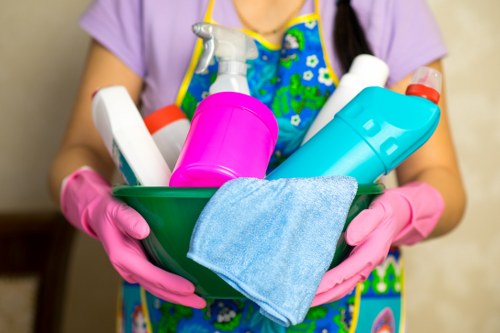
It is also a good idea to gather the necessary supplies in advance. Common items include microfiber cloths, disinfectant, glass cleaner, a mop, a vacuum cleaner, sponges, limescale remover, oven cleaner, and rubber gloves. If you are aiming for a professional-level end of tenancy cleaning result, having the right materials on hand will save time and improve the quality of the clean.
Useful preparation checklist
- Review the tenancy agreement and inventory report
- Remove personal items and rubbish
- Gather all cleaning products and tools
- Schedule enough time for each room
- Arrange utilities so water and electricity remain available
Rooms and Areas That Need Special Attention

Different areas of the property require different cleaning methods, but some parts always need extra care during end of tenancy cleaning. Kitchens and bathrooms are usually the most demanding because they collect grease, limescale, soap residue, and stubborn dirt. Living rooms and bedrooms may look cleaner, but they still need detailed dusting, vacuuming, and surface cleaning.
The kitchen should be cleaned thoroughly from top to bottom. This includes cupboards inside and out, countertops, sinks, taps, splashbacks, extractor fans, and appliances. Ovens, microwaves, and refrigerators often require the most effort. A successful end of tenancy cleaning job in the kitchen usually depends on removing grease and food residue completely rather than simply wiping surfaces.
Bathrooms need special care too. Toilets, sinks, baths, showers, tiles, mirrors, and fittings should all be scrubbed carefully. Limescale is a frequent issue, especially in hard-water areas, and it can make even a relatively clean bathroom look neglected. That is why end of tenancy cleaning in bathrooms should focus on both hygiene and appearance.
Other areas people often forget
- Skirting boards and door frames
- Light switches and plug sockets
- Inside drawers, cupboards, and wardrobes
- Window ledges and sills
- Behind and under appliances
- Radiators and vents
Living Room and Bedroom Cleaning Tips
Although the living room and bedrooms may not be as heavily used as the kitchen or bathroom, they still play a major role in the overall standard of end of tenancy cleaning. Dust tends to collect on high surfaces, furniture edges, shelves, and corners. Floors can also trap dirt, especially near skirting boards and beneath beds or sofas. A thorough approach is necessary if you want the property to pass inspection without issues.
Start by dusting from top to bottom. Clean light fixtures, curtain rails, picture frames, shelves, and surfaces before moving on to the furniture. Then vacuum carpets carefully, paying attention to edges and hard-to-reach areas. If the property has hard flooring, sweep and mop it properly to remove fine dust and marks. This style of end of tenancy cleaning helps create a polished result that feels complete.
Bedrooms also need attention inside wardrobes, drawers, and storage spaces. Even if these were barely used, tenants are often expected to leave them clean and empty. If curtains or blinds are included in the tenancy, check whether they need to be dusted or washed. Good end of tenancy cleaning is all about detail, and those small details can make a big difference during the final check.
Bedroom checklist
- Empty wardrobes and drawers fully
- Dust shelves, rails, and headboards
- Vacuum carpets and edges thoroughly
- Clean mirrors and internal glass
- Check under furniture for dust or debris
Kitchens: Where End of Tenancy Cleaning Gets Serious
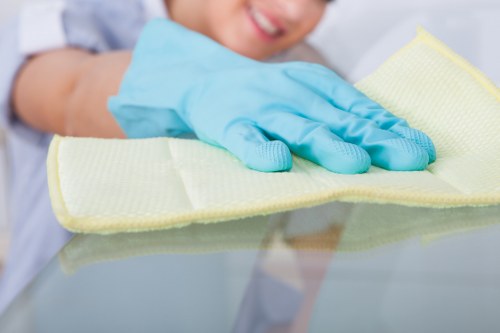
The kitchen often takes the most time in any end of tenancy cleaning project because it combines grease, moisture, food residue, and high-touch surfaces. Even if you have cleaned regularly during the tenancy, a final deep clean is usually needed to remove buildup in hidden and hard-to-reach places. Grease on cupboards, burnt residue inside the oven, and crumbs behind appliances are all common issues.
One effective method is to work methodically from one area to the next. Begin with the highest points, such as cupboards and extractor hoods, before moving to countertops, sinks, and appliances. Then clean the floor last so you do not have to redo it. This simple approach improves the efficiency of end of tenancy cleaning and reduces the risk of missing anything important.
It is especially important to pay attention to appliances. Many tenancy disputes arise because ovens, fridge freezers, dishwashers, and washing machines were not cleaned properly. Remove all removable parts if possible, soak them if necessary, and clean seals, handles, and hidden edges. A quality end of tenancy cleaning effort in the kitchen can dramatically improve the final presentation of the home.
Key kitchen tasks
- Degrease cupboards and splashbacks
- Clean inside and outside of the oven
- Wipe fridge shelves and seals
- Scrub sink, taps, and drains
- Vacuum and mop the floor last
Bathrooms: Hygiene, Shine, and Attention to Detail
Bathrooms are judged very closely during end of tenancy cleaning inspections because cleanliness is immediately visible. Soap scum, toothpaste residue, hair, and limescale can quickly make a bathroom look unclean even if it has been used carefully. A strong bathroom clean should focus on removing stains, disinfecting surfaces, and restoring shine to fixtures.
Use a suitable bathroom cleaner for sinks, baths, showers, and tiles. For taps and glass shower screens, a limescale remover may be necessary. Pay close attention to the toilet base, the area behind it, and the underside of the seat. These are common problem spots in end of tenancy cleaning because they are easy to overlook but easy for inspectors to notice.
Mirrors, cabinets, and towel rails should also be wiped down so the bathroom feels fresh throughout. If mold is present around seals or grout, it should be treated where possible. A detailed end of tenancy cleaning process in the bathroom shows care and responsibility, which is exactly what landlords and agents look for.
Tip: Keep ventilation in mind during and after cleaning. Open windows if possible and allow damp areas to dry fully before the final inspection.
Floors, Carpets, and Hard Surfaces
Floors are one of the first things people notice when entering a property, so they matter a lot in end of tenancy cleaning. Carpets should be vacuumed thoroughly, with extra attention given to corners, edges, and under furniture. If the carpet is stained, spot treatment may help, but in some cases professional carpet cleaning may be required depending on the tenancy agreement or the property’s condition.
Hard floors need a different technique. Sweep first to remove loose dirt, then mop using an appropriate cleaner for the flooring type. Wooden floors, laminate, tile, and vinyl each require different care, so it is important not to use products that may leave streaks or cause damage. A successful end of tenancy cleaning result depends on choosing the right method for each surface.
Do not forget entrance areas, hallways, and stairs if the property includes them. These are high-traffic spaces and often collect more dirt than expected. Clean thresholds, remove marks where possible, and ensure the flooring looks even and well maintained. Strong end of tenancy cleaning is as much about presentation as it is about hygiene.
Floor care reminders
- Vacuum slowly and in overlapping passes
- Lift or move light furniture when possible
- Use gentle products on delicate flooring
- Check for stains before the final review
- Allow wet floors to dry fully before inspection
Should You Hire Professionals for End of Tenancy Cleaning?
Many tenants choose professional help for end of tenancy cleaning because it saves time and reduces stress. Professional cleaners usually bring experience, specialist products, and a methodical approach that can achieve excellent results quickly. This is especially helpful if you are short on time, managing a large property, or dealing with areas that need deep cleaning.
Another advantage is consistency. A professional end of tenancy cleaning service typically follows a checklist that covers the rooms and surfaces most likely to be inspected. That means fewer missed spots and a better chance of meeting the expected standard. For many tenants, this peace of mind is worth the investment.
However, some people prefer to clean themselves to save money. That can work well if the property is small, the tenancy agreement is straightforward, and you have enough time to do the job properly. The important thing is to be realistic about the effort involved. End of tenancy cleaning is not a quick tidy-up; it is a detailed cleaning task that requires planning and persistence.
When professional cleaning may be the best option
- You need the job completed quickly
- The property has heavy grease or stains
- You are dealing with carpets or upholstery
- You want to reduce inspection-related stress
- You are moving out of a large or multi-room property
Common Mistakes to Avoid
One of the biggest mistakes in end of tenancy cleaning is leaving everything until the final day. This creates pressure and increases the chance of missing important areas. A better approach is to break the clean into stages so each room gets the time it needs. Planning ahead makes the process calmer and more effective.
Another common problem is cleaning only visible surfaces. Inspectors often look inside cupboards, behind appliances, on top of wardrobes, and around fixtures. If you only clean what is obvious, the property may still appear unfinished. Effective end of tenancy cleaning means looking at the home through the eyes of someone checking every detail.
Using the wrong products is also a mistake. Harsh chemicals can damage surfaces, while weak products may not remove grease or limescale properly. Always read labels and choose cleaners suitable for the material you are working on. A careful end of tenancy cleaning process protects the property while improving the final result.
Other errors to avoid
- Forgetting light switches and door handles
- Ignoring built-up dust on high surfaces
- Leaving windows smudged
- Not emptying bins before final inspection
- Failing to double-check appliances and seals
How to Make End of Tenancy Cleaning Easier
The easiest way to make end of tenancy cleaning less overwhelming is to create a simple plan. Divide the property into sections and complete one area at a time. This makes progress visible and prevents the task from feeling endless. You can also prioritise the most difficult rooms first, such as the kitchen and bathroom, while your energy is highest.
It helps to clean in the right order too. Start with dusting, then move to surfaces, then appliances, then floors. This prevents you from cleaning the same area twice. When done correctly, end of tenancy cleaning becomes much more efficient and less frustrating.
Finally, leave time for a final walkthrough. Inspect every room once the main clean is complete and look for missed marks, smudges, or bits of debris. This final review is one of the most valuable parts of end of tenancy cleaning because it gives you one last chance to fix small issues before handing over the keys.
Simple time-saving strategy
- Pack first and clear the rooms
- Gather all products in one place
- Clean the toughest rooms early
- Work top to bottom in each room
- Do a final check before leaving
Final Thoughts on End of Tenancy Cleaning
End of tenancy cleaning is more than a finishing touch; it is a crucial part of moving out responsibly. It helps you present the property well, supports a smoother handover, and improves your chances of getting your deposit back in full. Whether you clean the home yourself or choose professional assistance, the key is to approach the task carefully and thoroughly.
By focusing on the areas that matter most, using the right products, and following a clear plan, you can complete end of tenancy cleaning with less stress and better results. Kitchens, bathrooms, floors, and hidden surfaces all deserve attention, and the final inspection becomes far easier when every room has been handled properly.
If you are preparing to move out soon, now is the perfect time to start planning your end of tenancy cleaning. Make a checklist, set aside enough time, and decide whether you want to do it yourself or bring in professional support. Book your service now if you want expert help, or contact us today to take the next step toward a smooth move-out experience.