Deep Cleaning in Modern Homes and Businesses: What It Involves, Why It Matters, and How to Do It Right
Deep cleaning is more than a quick tidy-up or a basic surface wipe. It is a thorough, detailed, and intentional cleaning process designed to remove built-up dirt, grime, dust, grease, and hidden allergens from every corner of a space. Whether you are maintaining a home, preparing a rental property, or keeping a workplace healthy and professional, deep cleaning plays a major role in preserving comfort, hygiene, and long-term cleanliness.
Many people search for deep cleaning when their regular routine no longer feels enough. Over time, even the cleanest rooms collect residue in places that are easy to overlook: behind appliances, along baseboards, inside vents, under furniture, and inside cabinets. That is why deep cleaning is often the difference between a space that simply looks okay and a space that truly feels fresh.
In this article, we will explore what deep cleaning means, why it matters, what areas it should cover, and how a structured approach can improve both appearance and hygiene. You will also find practical tips, planning ideas, and a closer look at the benefits of professional-level detail. If you have been considering a more intensive cleaning process, deep cleaning in homes and businesses is one of the smartest ways to restore a space to its best condition.
What Is Deep Cleaning?
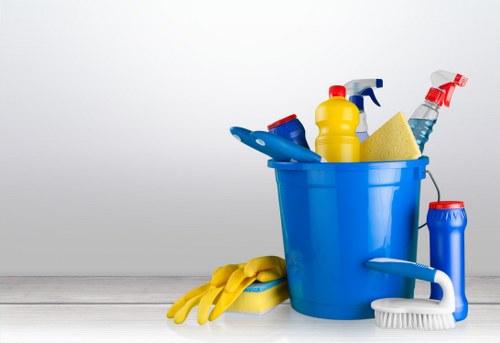
Deep cleaning is a thorough cleaning process that goes beyond everyday maintenance. Regular cleaning usually focuses on visible surfaces and high-touch areas, while deep cleaning targets the hidden buildup that accumulates over weeks or months. It is a more detailed approach that includes scrubbing, sanitizing, degreasing, dust removal, and reaching areas that are often ignored in day-to-day routines.
Unlike light cleaning, deep cleaning is not just about making a room look neat. It is about removing the layers of dirt that can affect air quality, cause odors, and create a less healthy environment. A proper deep cleaning service can cover kitchens, bathrooms, living spaces, bedrooms, offices, and commercial areas with equal care and precision.
One of the reasons deep cleaning is so valuable is that it resets a space. When done well, it brings surfaces back to a cleaner baseline, making regular cleaning easier afterward. It also helps extend the life of furniture, fixtures, flooring, and appliances by reducing the buildup that can cause wear and tear.
Why Deep Cleaning Matters
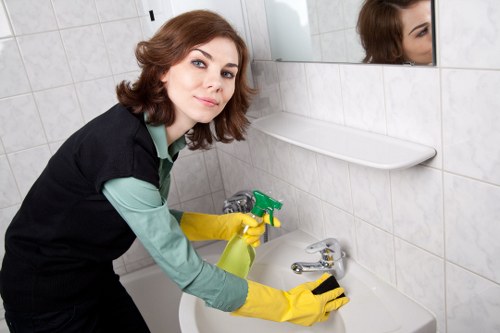
There are several reasons why deep cleaning should be part of a regular property maintenance plan. The first is hygiene. Dust, grease, soap scum, pet hair, and bacteria can all build up in overlooked areas, creating a less sanitary environment. Deep cleaning helps reduce those contaminants and supports a healthier indoor space.
The second reason is appearance. A room may look tidy on the surface, but deep cleaning restores the details that make a big difference visually. Clean grout, polished fixtures, spotless corners, and fresh-smelling fabrics all contribute to a space that feels more welcoming and cared for. For homeowners, landlords, and business owners, this can have a noticeable impact on perception.
The third reason is prevention. When dirt and residue are left in place for too long, they can become harder to remove and may even damage materials. Deep cleaning helps prevent staining, corrosion, buildup, and long-term deterioration. That makes it both a cleaning task and a form of property protection.
Deep Cleaning vs. Regular Cleaning

Regular cleaning and deep cleaning serve different purposes, and both are important. Regular cleaning keeps a space presentable from week to week. It usually includes vacuuming, wiping counters, dusting accessible surfaces, and maintaining bathrooms and kitchens. Deep cleaning, however, is much more detailed and labor-intensive.
Here is a simple way to understand the difference:
- Regular cleaning: Maintains cleanliness on a routine basis.
- Deep cleaning: Removes embedded dirt, grime, and buildup from neglected areas.
- Regular cleaning: Focuses on visible and high-traffic zones.
- Deep cleaning: Focuses on hidden, hard-to-reach, and detail-heavy areas.
- Regular cleaning: Usually done more frequently.
- Deep cleaning: Typically done less often, such as seasonally or during special events.
Both types of cleaning work best together. A strong routine helps maintain the results of deep cleaning, while occasional deep cleaning restores the home or workplace to a much better condition. Together, they create a practical and balanced cleaning strategy.
Key Areas Covered in Deep Cleaning

To understand the value of deep cleaning in homes and businesses, it helps to look at the specific areas that should be addressed. A proper cleaning plan should not stop at countertops and floors. It should cover every area where dirt tends to hide and accumulate.
Common deep cleaning areas include:
- Baseboards, trim, and corners
- Behind and under furniture
- Light fixtures, vents, and ceiling fans
- Kitchen appliances, including ovens and refrigerators
- Bathroom tile, grout, sinks, and showers
- Cabinets, drawers, and shelving interiors
- Doors, handles, switches, and other high-touch surfaces
- Windows, tracks, and sills
These areas often collect dust and grime gradually, so they are easy to miss during routine cleaning. A deep cleaning approach pays attention to these details and ensures the space feels truly refreshed from top to bottom.
High-Impact Rooms to Prioritize
Some rooms benefit more than others from a detailed cleaning approach. Kitchens and bathrooms usually require the most effort because moisture, grease, and frequent use can create stubborn buildup. Living rooms and bedrooms also need attention, especially when upholstery, rugs, and hidden surfaces are involved. Office spaces, entryways, and common areas should not be ignored either, especially in busy environments where dust and foot traffic build up quickly.
How Often Should Deep Cleaning Be Done?

The right schedule for deep cleaning depends on the space, the number of occupants, and how much activity the property sees. In many homes, deep cleaning is done seasonally, which means about four times per year. This timing works well because it aligns with changing weather, holiday preparation, and general home upkeep.
In busy households, homes with children or pets, and properties with frequent visitors, deep cleaning may be needed more often. Similarly, commercial spaces, rental properties, and shared environments often benefit from a regular deep cleaning schedule to maintain a polished, professional appearance. Deep cleaning services are especially useful when time is limited or when the space requires a higher level of detail.
Here are a few signs that a space may need deep cleaning sooner rather than later:
- Dust returns quickly after normal cleaning.
- Kitchen or bathroom surfaces feel sticky or look dull.
- There are lingering odors that simple cleaning does not remove.
- Grout, corners, or vents show visible buildup.
- Carpets, upholstery, or floors look worn despite regular maintenance.
If any of these signs are familiar, it may be time to book your service now and restore the space with a more detailed cleaning process.
Seasonal Deep Cleaning Checklist
Seasonal deep cleaning often includes a more strategic approach. Spring may focus on windows, dust, and storage areas, while fall may emphasize kitchens, floors, and fabric refreshes. The goal is not just to clean, but to reset the home for the next season with a healthier, more organized environment.
Benefits of Deep Cleaning for Homes
Deep cleaning provides a wide range of benefits for homeowners. One of the most noticeable is the improvement in indoor freshness. Rooms feel lighter, surfaces look brighter, and the entire property appears more cared for. This can also make a big difference when preparing for guests, family gatherings, or special occasions.
Another major benefit is better indoor air quality. Dust, pet dander, pollen, and other particles can collect in carpets, upholstery, vents, and corners. A detailed cleaning process helps reduce those irritants, which may be especially helpful for people with allergies or sensitivities. In this sense, deep cleaning is not only about appearance but also about comfort and wellness.
Deep cleaning can also improve the condition of your belongings. When appliances, floors, fixtures, and furniture are maintained properly, they tend to last longer and perform better. That means less replacement, fewer repairs, and a more efficient home overall. A clean space often leads to a calmer mindset as well, which is one more reason many people prioritize deep cleaning in residential spaces.
Home Areas That Gain the Most
- Kitchen: Removes grease and food residue.
- Bathroom: Reduces soap scum, mildew, and grime.
- Bedroom: Helps reduce dust and allergens in fabrics.
- Living room: Refreshes upholstery, rugs, and hidden surfaces.
Benefits of Deep Cleaning for Businesses
Businesses also gain significant advantages from deep cleaning. A clean workplace supports productivity, professionalism, and employee comfort. Visitors and clients notice the details, and a well-maintained environment sends a strong message about organization and quality. Whether it is an office, retail location, clinic, or shared facility, detailed cleaning contributes to a better overall impression.
Workplace deep cleaning can also help reduce the spread of germs and improve shared hygiene. High-touch surfaces, restrooms, break areas, and reception spaces often need more attention than a standard routine provides. Deep cleaning services are useful for creating a safer and more polished environment, especially in high-traffic settings.
Businesses may also use deep cleaning after renovations, before major events, at the end of a lease, or during seasonal resets. In each case, the goal is to make the space look professional while protecting fixtures, surfaces, and equipment from unnecessary wear.
Business Areas That Benefit Most
Some commercial zones require extra care because they receive constant use. These include restrooms, shared kitchens, lobby areas, conference rooms, entrances, and customer-facing spaces. Cleanliness in these areas can influence both employee morale and customer confidence.
What a Proper Deep Cleaning Process Includes
A successful deep cleaning process is organized, detailed, and systematic. It usually starts with decluttering and dust removal, followed by targeted scrubbing and sanitizing. The exact steps may vary depending on the property, but the core principle stays the same: clean beyond the surface.
A typical process may include the following steps:
- Remove loose items and clutter from surfaces and floors.
- Dust ceilings, fans, fixtures, shelves, and vents.
- Clean windows, mirrors, and glass surfaces.
- Scrub kitchens and bathrooms thoroughly.
- Vacuum carpets, rugs, furniture, and corners.
- Mop hard floors and detail edges and baseboards.
- Sanitize high-touch points and contact surfaces.
The order matters because it helps avoid re-cleaning areas that may get dusty or dirty again during the process. A smart cleaning plan also ensures that products are used effectively and surfaces are treated appropriately.
Choosing the Right Cleaning Products
Not every product is suitable for every surface. Some materials require gentle cleaners, while others may need stronger solutions to remove grease or buildup. Using the right product helps protect surfaces and improves results. It is always important to match cleaners with the finish, texture, and material of the area being treated.
DIY Deep Cleaning Tips
Many people like to handle deep cleaning themselves, especially for smaller spaces or routine seasonal maintenance. A do-it-yourself approach can be effective when done carefully and with the right plan. The key is to break the task into manageable sections so the work feels less overwhelming.
Here are some practical deep cleaning tips for getting started:
- Focus on one room at a time.
- Use a checklist to avoid missing important areas.
- Open windows when possible to improve ventilation.
- Use microfiber cloths to trap dust more effectively.
- Let cleaners sit on stubborn grime before scrubbing.
- Work from top to bottom so dirt falls onto areas not yet cleaned.
- Set a realistic schedule instead of trying to do everything in one day.
For many homeowners, the best approach is a mix of routine maintenance and occasional intensive cleaning. This keeps the space in good shape while reducing the amount of time needed for major resets.
Contact us today if you are looking for a more efficient way to keep your property spotless and healthy.
When to Consider Professional Deep Cleaning
Professional deep cleaning can be the right choice when the job requires more time, effort, or expertise than a normal routine allows. This is especially true for large homes, busy offices, post-event cleanup, move-in or move-out situations, and properties that have been neglected for some time. A trained team can often handle the work faster and more thoroughly.
Professional cleaners bring structure, consistency, and specialized tools to the process. They can tackle built-up grime, reach difficult spots, and apply the correct methods for different materials. That level of detail is useful when you want reliable results without spending an entire weekend scrubbing surfaces.
People often choose professional deep cleaning services when they want to prepare a property for sale, refresh a rental, or restore a place after long-term use. The results can be impressive because the process focuses on the areas that are most likely to hold dirt and bacteria.
Situations That Call for Extra Detail
- Before hosting guests or events
- After renovations or repairs
- At move-in or move-out time
- After illness or seasonal allergy flare-ups
- When the space has not been cleaned thoroughly in a while
How Deep Cleaning Supports Long-Term Maintenance
One of the biggest advantages of deep cleaning is that it supports long-term maintenance. When grime and residue are removed on a regular basis, it becomes much easier to keep a property looking good with basic weekly cleaning. That means less effort over time and better results overall. In practical terms, deep cleaning in homes and businesses helps create a cleaner baseline that is easier to maintain.
It also helps protect your investment. Flooring, tile, counters, cabinetry, and appliances can all last longer when they are cared for properly. Dirt does not just affect appearance; it can also cause gradual damage. Deep cleaning removes that threat before it becomes costly or inconvenient.
For busy households and commercial properties, this is especially important. A strong cleaning routine combined with periodic deep cleaning can reduce stress, improve organization, and make every room more pleasant to use. It is a practical approach that pays off in both comfort and savings.
Simple Maintenance Habits Between Deep Cleans
To get the most from your effort, it helps to maintain the space consistently. Wiping spills quickly, dusting regularly, and staying on top of floors and high-touch surfaces can prevent heavy buildup. These small habits make the next deep cleaning session easier and more effective.
Final Thoughts on Deep Cleaning
Deep cleaning is one of the most effective ways to refresh a property, improve hygiene, and support long-term cleanliness. It goes far beyond basic tidying by targeting the hidden dirt and buildup that regular maintenance often misses. From kitchens and bathrooms to offices and shared spaces, a detailed cleaning approach makes a visible and lasting difference.
Whether you choose to handle it yourself or rely on professional support, the key is consistency and attention to detail. A well-planned deep cleaning routine can improve indoor comfort, protect surfaces, and create a more polished environment that feels genuinely clean. That is why so many homeowners and business owners make it a priority throughout the year.
If your space needs a reset, now is the perfect time to take action. Book your service now and enjoy the benefits of a cleaner, fresher, and more welcoming property.