Oven Cleaning in Your Home: A Practical, SEO-Friendly Approach to a Fresher Kitchen
Keeping a kitchen clean is about more than polished counters and sparkling floors. One of the most overlooked tasks is oven cleaning, even though the oven is central to everyday cooking. From family dinners to weekend baking, ovens handle grease, spills, crumbs, and burnt residue that build up over time. If left unattended, this buildup can affect cooking performance, create unpleasant odors, and make your kitchen feel less fresh overall.
Many homeowners search for oven cleaning in their local area because they want a practical solution that saves time and protects their appliance. Whether you prefer to clean your oven yourself or hire a professional service, understanding the process helps you make a better decision. This article explores the importance of oven cleaning, the best methods, safety tips, maintenance advice, and when it may be time to call in experts.
With the right approach, oven cleaning does not have to be stressful. In fact, it can become a manageable part of your household routine, helping your kitchen stay hygienic, efficient, and ready for everyday use.
Why Oven Cleaning Matters for Every Home

An oven is one of the hardest-working appliances in the house. Each time you bake, roast, or broil food, the interior is exposed to heat, steam, spills, and splatters. Over time, these messes can turn into stubborn layers of grime. That is why regular oven cleaning is not just about appearance; it is about performance, hygiene, and safety.
When grease and food residue accumulate, they can burn during cooking and release smoke or strong smells. This can affect the taste of meals and make the kitchen less pleasant. In some cases, excess buildup can even become a fire hazard. A clean oven reduces these risks and supports more even heat distribution, which can improve the results of your cooking.
Many people also overlook the value of oven cleaning in improving appliance lifespan. By removing damaging buildup before it hardens, you reduce wear on interior surfaces, heating elements, and door seals. In short, regular oven cleaning helps protect your investment while keeping your kitchen more inviting.
Signs Your Oven Needs Cleaning
If you are unsure whether your appliance needs attention, there are several clear signs to watch for. A dirty oven usually announces itself in noticeable ways, and catching the problem early can prevent bigger issues later.
Common signs include:
- Smoke appearing when the oven is in use
- Burning smells during preheating or cooking
- Visible grease, carbon buildup, or blackened spots inside the oven
- Food cooking unevenly or taking longer than usual
- Sticky residue on the oven door or racks
- Crumbs and spills around the bottom heating area
If any of these sound familiar, it is probably time for thorough oven cleaning. Some messes may look minor at first, but repeated use can bake them onto surfaces and make them much harder to remove later.
DIY Oven Cleaning vs Professional Service

When people think about oven cleaning in their home, they usually consider two main options: doing it themselves or hiring a professional. Both choices have advantages, and the right one depends on your schedule, budget, oven condition, and comfort level.
DIY cleaning can be useful for light to moderate buildup. It is often more affordable and can be done with products already in the home. However, it requires time, effort, and patience, especially if grease has hardened or spills have been left for a long period. Some homeowners also worry about using harsh chemicals improperly or scratching surfaces.
Professional oven cleaning, on the other hand, is ideal for deeper grime, busy households, or appliances that have not been cleaned in months. Experts typically use specialized products and techniques designed to reach difficult areas, including fan covers, door glass, racks, and seals. For many people, booking a professional oven cleaning service is the easiest way to restore a neglected oven quickly and safely.
Which option is best?
The answer depends on your needs. If your oven only has light spills and surface grease, DIY maintenance may be enough. If you notice heavy buildup, smoke, or persistent odors, professional help may be the smarter choice.
How to Clean an Oven at Home
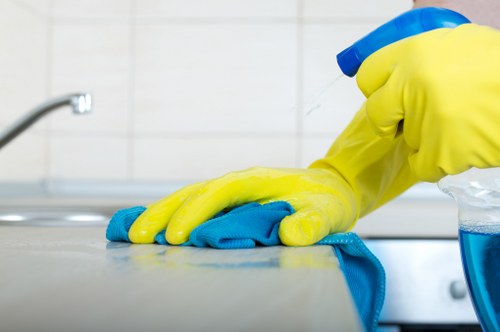
For homeowners who prefer to handle oven cleaning themselves, a careful step-by-step method can deliver excellent results. The key is to work safely, use the right products, and avoid rushing the process.
Step 1: Turn off and cool the oven
Always make sure the appliance is fully switched off and cool before you begin. Safety should come first, especially if you are reaching into the interior or removing racks.
Step 2: Remove racks and loose debris
Take out the oven racks, trays, and any other removable parts. Shake out crumbs and loose dirt into the bin. This makes the rest of the cleaning process easier and helps you reach the corners more effectively.
Step 3: Apply a cleaning solution
You can use a commercial oven cleaner or a gentle homemade mixture, depending on the level of grime. Some people prefer a paste made from baking soda and water for a less aggressive approach. Apply the product carefully and follow the instructions if you are using a store-bought cleaner.
Step 4: Allow time for the solution to work
Patience matters. Let the product sit long enough to soften grease and burnt residue. This step makes scrubbing much easier and reduces the amount of physical effort needed.
Step 5: Wipe and scrub
Use a soft sponge, microfiber cloth, or non-abrasive pad to remove loosened grime. Focus on stained areas, corners, and the oven door glass. Avoid metal scrubbers that may damage delicate surfaces.
Step 6: Clean the racks separately
Soak racks in warm, soapy water or follow the instructions for your chosen product. Once clean, rinse thoroughly and dry before placing them back inside.
Step 7: Finish with a final wipe-down
Remove all residue from the oven interior and leave the door open briefly to allow airflow. A final wipe ensures there are no chemical traces or remaining crumbs.
Tip: If your oven has a self-cleaning function, read the manufacturer’s instructions carefully before using it. While helpful, this feature is not always suitable for every household or every type of buildup.
Natural Cleaning Methods That Work
Some households prefer natural solutions for oven cleaning because they are often gentler, more affordable, and easier to manage. While natural methods may take longer on heavy grime, they can be effective for routine upkeep.
Baking soda and water paste
This is one of the most popular methods. Mix baking soda with a small amount of water until it forms a spreadable paste. Apply it to the oven interior, avoiding heating elements. Let it sit for several hours or overnight, then wipe away with a damp cloth. It is a simple and widely used option for regular oven cleaning.
White vinegar spray
Vinegar helps break down residue and neutralize odors. After removing the baking soda paste, spray a little white vinegar over remaining areas. It will foam slightly, making it easier to wipe away grime. This method is especially useful for removing streaks and lingering smells.
Lemon steam method
Another effective approach is to heat a bowl of water with lemon slices in the oven for a short period. The steam helps soften dirt while leaving a fresher scent behind. This is not a heavy-duty solution, but it can support ongoing maintenance.
Natural methods are ideal when you want a safer, simpler routine for regular oven cleaning in the home.
Professional Oven Cleaning: What to Expect
A professional oven cleaning service usually offers a far deeper clean than a standard household wipe-down. This is especially valuable if your oven has years of buildup, burnt spills, or hard-to-reach grime. Professionals often remove detachable parts, clean door glass, degrease interior surfaces, and restore the appliance to a far fresher condition.
One major advantage of professional oven cleaning is efficiency. Instead of spending hours scraping residue or testing different cleaners, you can rely on someone with the right equipment and expertise. This is particularly helpful for families, landlords, tenants preparing to move, or anyone who simply prefers a hassle-free option.
Professional cleaning is also useful for larger kitchen deep cleans or end-of-tenancy tasks. In those situations, a spotless oven may be expected, and expert help can save time while ensuring a more polished result. If your oven has stubborn discoloration, neglected grease, or a strong burnt smell, a professional service may be the best investment.
What is usually included?
- Removal and cleaning of racks and trays
- Degreasing of the oven interior
- Cleaning of the oven door and glass panel
- Attention to corners, seals, and hard-to-reach areas
- Deodorizing and finishing touches
Safety Tips for Oven Cleaning
Whether you are cleaning manually or scheduling a professional appointment, safety should always be a priority. Many oven cleaning products are powerful, and even natural methods require care and attention.
Important safety practices
- Always switch off and cool the appliance before cleaning
- Read product instructions carefully before use
- Wear gloves if you are using stronger cleaners
- Make sure the kitchen is well ventilated
- Avoid mixing chemicals such as bleach and ammonia
- Keep cleaning products away from children and pets
- Do not scrub heating elements or electrical parts aggressively
Never use tools that could scratch or damage the interior finish. A little care goes a long way in maintaining your appliance and keeping the task stress-free.
How Often Should You Clean Your Oven?
There is no single rule that fits every household, but regular maintenance makes a noticeable difference. For a busy family kitchen, oven cleaning may be needed more often than in a home where the appliance is used only occasionally. The right schedule depends on how frequently you cook, what types of meals you prepare, and how prone your oven is to spills.
General frequency tips:
- Light use: Clean every 2 to 3 months
- Moderate use: Clean monthly or every 6 to 8 weeks
- Heavy use: Wipe spills after cooking and deep clean every few weeks
Even if you do not perform a full oven cleaning every month, small actions make a huge difference. Wiping up spills while they are still fresh helps prevent them from becoming baked-on stains that require more effort later.
Common Mistakes to Avoid During Oven Cleaning
Although oven cleaning is straightforward in theory, a few common mistakes can reduce results or create new problems. Knowing what to avoid can save time and protect your appliance.
Mistake 1: Using too much product
More cleaner does not always mean better results. Excess product can leave residue behind and may be harder to remove.
Mistake 2: Skipping the racks
Dirty racks can reintroduce grime into a freshly cleaned oven. Always clean them separately.
Mistake 3: Ignoring the door glass
The door is one of the most visible parts of the appliance. If it stays greasy or streaked, the whole oven looks unclean.
Mistake 4: Cleaning while the oven is hot
This is unsafe and can make cleaning products work less effectively.
Mistake 5: Leaving residue behind
Any remaining cleaner, soot, or loosened grime may burn during the next use. A final wipe is essential.
A careful, patient method always gives better oven cleaning results than a rushed one.
Benefits of a Clean Oven Beyond Appearance
People often start oven cleaning because the appliance looks dirty, but the benefits go much further than appearance. A clean oven can support better performance, healthier cooking conditions, and a more comfortable kitchen environment.
First, cooking performance improves when heat can circulate without interference from debris or grime. This can help food cook more evenly and reduce smoke. Second, a cleaner appliance is more pleasant to use, which matters if you cook often. Third, regular cleaning reduces the chance of burnt odors spreading through the home.
There is also a financial benefit. By keeping up with oven cleaning, you may avoid repair issues caused by excessive buildup and extend the lifespan of the appliance. For homeowners who value efficiency and cleanliness, this routine simply makes sense.
Why this matters for modern households
Busy kitchens need practical upkeep. A clean oven supports daily life by making meal preparation smoother, safer, and more enjoyable.
Choosing the Right Oven Cleaning Service
If you decide that professional help is the best route, it helps to know what to look for in an oven cleaning provider. A good service should focus on quality, care, and convenience. While this article does not include contact details, it can help you understand the qualities that matter when choosing a provider.
Look for these qualities
- Clear explanation of what the cleaning includes
- Experience with different oven types and finishes
- Safe, effective products and methods
- Attention to detail in hard-to-reach areas
- Flexible appointment options
- Transparent pricing
For many homeowners, the best decision is the one that balances convenience, safety, and results. If your appliance needs deep attention, a trusted service can save significant time while delivering a more thorough finish.
Oven Cleaning Tips for Long-Term Maintenance
Once your oven is clean, the goal is to keep it that way for as long as possible. A few small habits can prevent grime from building up quickly and make future oven cleaning much easier.
Simple maintenance habits
- Wipe spills after the appliance cools
- Use trays or liners where appropriate
- Cover dishes that may splatter
- Check the oven regularly for crumbs and residue
- Clean racks and glass doors before buildup becomes heavy
These habits take only a few minutes, but they can make a big difference over time. If you want your appliance to stay in good condition, consistency is more important than intensity. Regular maintenance keeps oven cleaning manageable rather than overwhelming.
In kitchens where roasting, baking, and broiling happen frequently, quick post-cooking checks are especially useful. The sooner you deal with small spills, the less likely they are to become stubborn stains later.
Final Thoughts on Oven Cleaning in the Home
Oven cleaning may not be the most exciting household task, but it is one of the most worthwhile. A clean oven supports better cooking, reduces unpleasant odors, improves kitchen hygiene, and helps protect your appliance over time. Whether you prefer a DIY method, natural products, or a professional service, the important thing is to stay consistent.
For many households, searching for oven cleaning in the local area is the first step toward a fresher kitchen and a more efficient home. With the right method and a little regular attention, your oven can stay in excellent condition for years. If your appliance is overdue for care, now is the perfect time to take action. Book your service now or contact a trusted specialist when you are ready to enjoy a cleaner, safer, and better-performing oven.