Communal Area Cleaning: A Practical Approach to Cleaner Shared Spaces
Why Communal Area Cleaning Matters
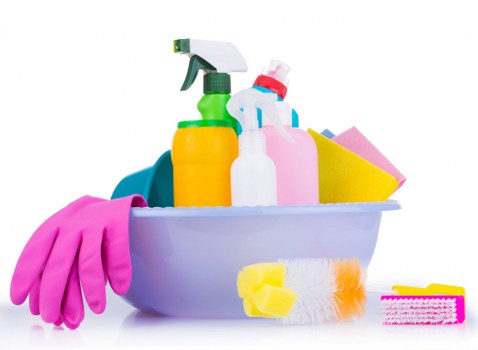
Communal area cleaning plays a major role in how people experience apartment blocks, office buildings, residential complexes, student housing, mixed-use properties, and commercial facilities. Shared spaces are the first areas residents, tenants, visitors, and clients notice, and they often set the tone for the entire property. When communal area cleaning is carried out regularly and to a high standard, a building feels more welcoming, safer, and more professional.
These shared spaces can include hallways, staircases, lobbies, elevators, reception areas, corridors, bin rooms, laundry rooms, and entryways. Because so many people pass through these areas every day, dirt builds up quickly. Dust, marks on walls, fingerprints on doors, litter, and general wear can make communal spaces look neglected. That is why regular communal area cleaning is not just about appearance; it is also about hygiene, safety, and long-term maintenance.
For property managers and building owners, investing in professional communal area cleaning can reduce complaints, improve tenant satisfaction, and help preserve the value of the property. Clean shared areas also create a healthier environment by reducing the spread of germs, allergens, and unpleasant odours. In other words, communal area cleaning supports both visual appeal and practical building care.
What Communal Area Cleaning Includes
Typical Areas Covered
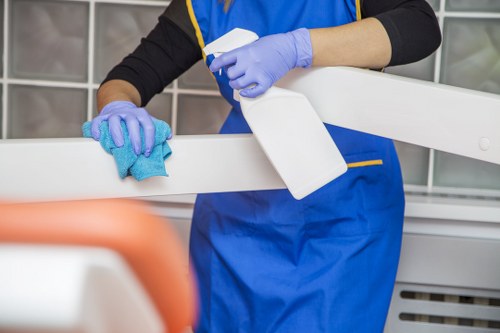
Communal area cleaning usually covers all the spaces that multiple people use throughout the day. The exact scope depends on the property type, but it generally includes high-traffic and high-touch surfaces that need frequent attention. Effective communal area cleaning plans are tailored to the building’s layout, foot traffic, and specific hygiene requirements.
Common areas included in communal area cleaning services are:
- Entrances and foyers
- Hallways and corridors
- Stairwells and landings
- Lift interiors and controls
- Door handles and push plates
- Mail areas and parcel points
- Reception desks and waiting areas
- Shared kitchens and break rooms
- Toilets and washrooms
- Bin stores and waste collection points
In some buildings, communal area cleaning may also extend to outdoor spaces like pathways, patios, external steps, and car park entrances. The goal is to ensure that every shared zone remains tidy, hygienic, and presentable at all times. A well-structured cleaning plan helps avoid missed areas and keeps standards consistent across the property.
The Benefits of Regular Communal Area Cleaning
Improved Hygiene and Health
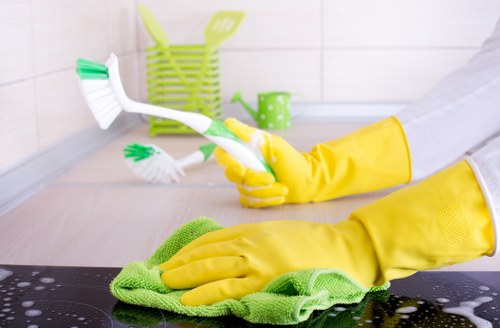
One of the biggest advantages of communal area cleaning is improved hygiene. Shared spaces are touched by many people every day, which means bacteria and viruses can spread quickly if cleaning is overlooked. Regular disinfection of common touchpoints helps reduce this risk and supports a healthier environment for everyone who uses the building.
Dust, mould, pollen, and other airborne particles can also accumulate in communal spaces. This can be a concern for people with allergies, asthma, or other respiratory sensitivities. Consistent communal area cleaning helps minimise these irritants and contributes to better indoor air quality. Clean communal areas are especially important in multi-occupancy buildings where vulnerable people may live or work.
Another major benefit is improved safety. Spills, debris, and clutter in shared areas can cause slips, trips, and falls. Regular cleaning reduces these hazards and keeps pathways clear. When communal area cleaning is managed properly, the result is a safer environment for residents, staff, visitors, and contractors alike.
Better First Impressions
First impressions matter in every type of property. A clean lobby, spotless entrance, and well-maintained hallway immediately signal care and professionalism. On the other hand, dusty skirting boards, stained floors, and overflowing bins can make even a premium building feel neglected. Communal area cleaning helps create a positive impression from the moment someone walks in.
How Professional Communal Area Cleaning Works
Scheduled Cleaning and Inspection

Professional communal area cleaning is usually based on a planned schedule designed around the property’s needs. Some buildings require daily attention, while others may only need cleaning a few times a week. High-traffic sites such as apartment complexes, student accommodation, and office buildings often need more frequent service than low-use sites.
A typical cleaning schedule may include daily tasks such as sweeping, vacuuming, mopping, wiping down surfaces, emptying bins, and sanitising touchpoints. Weekly or periodic tasks can include deep cleaning floors, polishing fixtures, removing cobwebs, washing windows, and cleaning internal glass. A quality communal area cleaning program also includes inspections to make sure nothing has been missed.
Commercial cleaners often work from a checklist so that standards remain consistent. This approach is useful because it ensures important tasks are completed in the right order and at the right frequency. It also provides accountability, which matters when property managers want reliable results from their communal area cleaning provider.
Common Daily Tasks
- Vacuuming carpets and mats
- Mopping hard floors
- Dusting ledges and surfaces
- Cleaning mirrors and glass panels
- Disinfecting high-touch points
- Removing litter and debris
- Maintaining bin areas
Communal Area Cleaning for Different Property Types
Not every building needs the same cleaning routine. The right communal area cleaning approach depends on how the space is used, how many people pass through it, and what materials are present in the property. Understanding these differences helps create a cleaning plan that is both efficient and effective.
Apartment blocks usually require frequent hallway, staircase, and entrance cleaning because residents use these spaces every day. Deliveries, pets, and foot traffic can quickly create mess. In these settings, communal area cleaning often focuses on floors, entry mats, lift buttons, and bin storage areas.
Office buildings need communal area cleaning that supports a professional workplace image. Reception areas, washrooms, kitchens, meeting room corridors, and lift lobbies tend to require daily or near-daily attention. In offices, cleanliness can also influence employee morale and productivity, making regular upkeep especially important.
Residential and Student Accommodation

Student housing and shared residential properties often experience heavier use and faster wear than many other buildings. Communal area cleaning in these environments must account for spills, clutter, and frequent turnover of occupants. Because many people share kitchens, bathrooms, and corridors, these areas can become unhygienic very quickly without a structured routine.
In healthcare-adjacent or supported living environments, communal area cleaning may need to be more careful and detailed due to the increased importance of infection control. Even when the property is not a medical facility, a higher level of cleaning can support safety and peace of mind. A clean shared environment can help residents feel more comfortable and secure.
Retail complexes, mixed-use developments, and commercial units also benefit from tailored communal area cleaning. In these settings, public-facing spaces need to look polished throughout business hours. That often means frequent touchpoint cleaning, litter removal, floor care, and washroom maintenance.
Key Standards for Effective Communal Area Cleaning
Effective communal area cleaning is about more than just making a space look neat. It should follow clear standards that balance appearance, hygiene, and durability. This is particularly important in buildings with expensive flooring, decorative finishes, or high-value fixtures that need proper care.
One important standard is consistency. If a hallway is cleaned well one day but neglected the next, the results are frustrating for residents and property managers. Reliable communal area cleaning should deliver the same level of quality every time. Consistency helps build trust and keeps shared spaces presentable throughout the week.
Another key standard is attention to detail. Small issues such as fingerprints on glass, dust in corners, scuffed skirting, or marks around light switches can make a space look untidy even if the main areas are clean. A thorough communal area cleaning routine addresses both visible and less obvious problem spots.
Professionalism also matters. Cleaners should work discreetly, respect residents and staff, and understand how to clean shared spaces without causing disruption. In many buildings, communal area cleaning is best performed at times that avoid peak traffic and minimise inconvenience.
To maintain high standards, it is helpful to monitor:
- Cleanliness of floors and entrances
- Condition of handrails and switches
- Waste management and bin overflow
- Odour control in enclosed spaces
- Spot cleaning on walls and glass
- Restocking of consumables where applicable
Tools and Products Used in Communal Area Cleaning
The right tools can make communal area cleaning faster, safer, and more effective. Professional cleaners usually rely on equipment selected for the specific surfaces and conditions found in shared buildings. Using the wrong product can damage floors, leave residues, or reduce cleaning efficiency.
Common tools include vacuums with HEPA filtration, microfiber cloths, mops, scrubbers, extension dusters, and sanitising sprays. For larger buildings, automatic floor machines or rotary scrubbers may be used to maintain hard flooring. Communal area cleaning teams may also carry colour-coded cloths and tools to reduce cross-contamination between areas.
Cleaning products are chosen based on the surface and hygiene needs of the property. Neutral floor cleaners are often used on delicate surfaces, while disinfectants may be reserved for high-touch points and washrooms. In environmentally conscious buildings, eco-friendly products are increasingly popular because they support safer communal area cleaning while reducing chemical impact.
It is also important to use the right technique. Too much product can leave floors slippery or sticky, while too little may not deliver proper results. Good communal area cleaning relies on both the correct supplies and the skill to use them properly.
Common Challenges in Communal Area Cleaning
High Traffic and Constant Use
One of the main challenges in communal area cleaning is the fact that shared spaces are always in use. Unlike private rooms, communal areas cannot simply be closed off for long periods. This means cleaners must work around people entering and leaving, deliveries arriving, and daily operations continuing as normal.
High traffic brings more dirt, more damage, and more frequent need for touchpoint cleaning. Rain, mud, litter, and food debris can all accumulate quickly. In busy buildings, communal area cleaning must be flexible and responsive so that standards do not slip between scheduled visits.
Another challenge is dealing with mixed expectations. Residents, tenants, and property managers may each have different ideas about what “clean” means. Clear service levels help set expectations and avoid misunderstandings. When everyone knows the scope of communal area cleaning, it becomes easier to maintain satisfaction.
Dealing with Neglect and Build-Up
If a building has not been cleaned properly for some time, restoring it can take extra effort. Build-up on floors, walls, and fixtures may require deep cleaning before routine maintenance can begin. In these cases, communal area cleaning should start with a detailed assessment to identify problem areas and prioritise the most urgent tasks.
Regular maintenance is almost always easier and more cost-effective than waiting for serious dirt accumulation. A proactive communal area cleaning schedule helps prevent long-term damage and keeps repair costs lower over time.
Why Communication Matters in Communal Area Cleaning
Good communication is essential for successful communal area cleaning. Property managers, cleaning teams, residents, and building users all play a role in keeping shared spaces in good condition. If issues are reported promptly, cleaners can respond before minor problems become major ones.
For example, if a corridor light fails, a bin overflows, or a spill is left in a common area, quick reporting can prevent accidents and reduce complaints. A responsive communal area cleaning service should have a clear process for handling these issues and updating the relevant people when work has been completed.
It also helps when expectations are clearly documented. A cleaning specification, schedule, and task list make it easier to ensure everyone understands what is included. This level of clarity is especially useful for larger buildings where communal area cleaning may involve multiple zones and service frequencies.
In many properties, small communication improvements can make a noticeable difference. When residents know when cleaning takes place and what areas are covered, they are more likely to cooperate and keep shared spaces tidy. That partnership supports better long-term results for communal area cleaning.
Choosing the Right Communal Area Cleaning Service
When selecting a provider, it is worth looking beyond price alone. The cheapest option is not always the best value if standards are inconsistent or communication is poor. A strong communal area cleaning service should offer reliability, proper insurance, trained staff, and a clear understanding of the building’s needs.
Questions to consider include:
- How often will communal area cleaning be carried out?
- What tasks are included in the standard service?
- Are cleaning schedules tailored to the property?
- How are issues reported and resolved?
- What products and equipment are used?
- Is there an inspection process for quality control?
It is also useful to ask whether the provider has experience with your type of property. Communal area cleaning in a residential block can be very different from cleaning in a corporate building or retail setting. Experience often translates into better planning, fewer missed details, and smoother service delivery.
A dependable provider should also be able to adapt when circumstances change. Seasonal weather, occupancy levels, special events, and renovation work can all affect cleaning needs. Flexibility is an important sign of a well-run communal area cleaning operation.
Seasonal Considerations for Communal Area Cleaning
Communal area cleaning needs often change with the seasons. In wet months, entrances and hallways may require more frequent floor care due to mud, water, and debris being tracked inside. Entry mats and door thresholds can become especially important during these periods.
In warmer months, dust, insects, and odours may become more noticeable. This means communal area cleaning may need extra focus on ventilation, waste removal, and surface dusting. Seasonal changes can also affect how often windows, glass panels, and exterior access points need attention.
Winter can bring its own challenges, including salt marks, wet umbrellas, and increased use of heating systems that may circulate dust. A seasonal approach to communal area cleaning allows property managers to stay ahead of these issues and maintain a consistently neat environment.
Planning ahead is often the best strategy. By adjusting routines according to the time of year, buildings can stay cleaner and easier to maintain. This proactive approach supports better results and fewer unexpected problems.
The Long-Term Value of Professional Communal Area Cleaning
Over time, professional communal area cleaning can help protect the condition of a building. Dirt, grit, and moisture can wear down flooring and damage finishes if left untreated. Regular maintenance reduces this wear and extends the life of carpets, tiles, paintwork, and fixtures.
There is also a financial advantage. A well-maintained property is more likely to retain tenant interest, attract new occupants, and avoid unnecessary repair costs. When communal area cleaning is handled consistently, the overall property often appears better managed and more desirable.
For building managers, this creates a practical return on investment. The value of communal area cleaning is not only seen in clean surfaces, but also in fewer complaints, lower maintenance issues, and stronger overall presentation. Clean shared spaces contribute to a better living or working experience for everyone involved.
In today’s competitive property market, details matter. Shared spaces are part of the reputation of a building, and consistent communal area cleaning helps protect that reputation. Whether the goal is to improve hygiene, support safety, or simply create a more attractive environment, regular cleaning makes a lasting difference.
Clean communal spaces build confidence. They show care, encourage respect, and help create a more pleasant atmosphere for all users. If you want your building to reflect professionalism and attention to detail, communual area cleaning should never be treated as an afterthought.
Final Thoughts on Communal Area Cleaning
Communal area cleaning is an essential part of maintaining any shared property. From hygiene and safety to appearance and long-term upkeep, the benefits are clear. A reliable cleaning schedule, the right equipment, and attention to detail all contribute to better results. More importantly, they help create spaces that people enjoy using every day.
Whether you manage an apartment building, office block, student residence, or mixed-use development, investing in regular communal area cleaning can make a major difference. Clean shared areas improve comfort, support health, and strengthen the overall impression of the property. They also reduce the burden on residents, staff, and management by keeping upkeep under control.
If your building needs a more consistent and professional approach, now is the time to act. Contact us today to improve your communal area cleaning standards, or book your service now to keep your shared spaces spotless, safe, and welcoming.